Flat roof triangle solar mounting structures
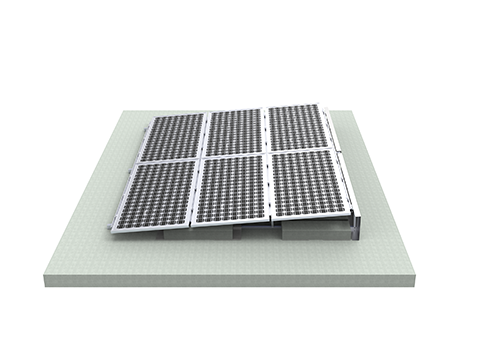
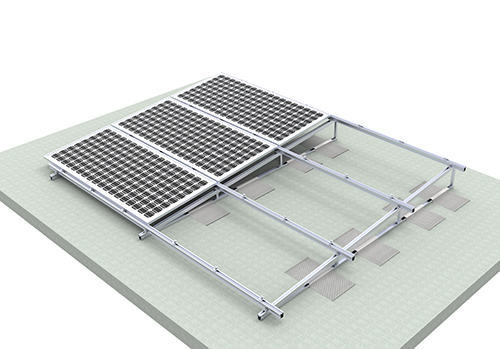
The core component is the triangular "A-frame" shape, which provides the tilt. This triangle is secured to a horizontal base frame that sits on the roof, and the whole assembly is ballasted with weight (pavers, concrete blocks, specialized weights) or mechanically attached to the roof structure.
Base Frame/Rail: Horizontal rails that distribute the load across the roof membrane. They are the foundation of the array.
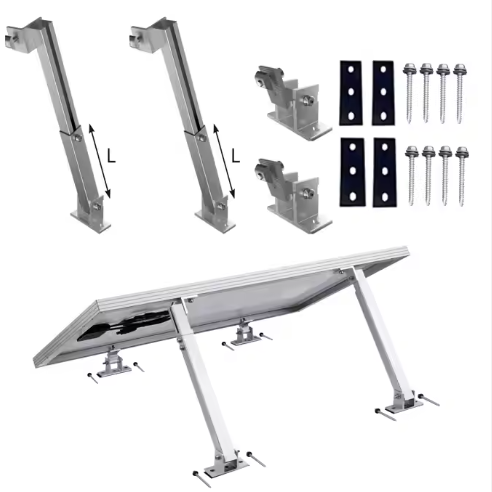
Triangular Uprights/A-Frames: The inclined legs that create the tilt angle. They are bolted or clamped to the base rails.
Purlin Rails: Horizontal rails that run along the sloping sides of the triangles. The solar panels are clamped to these.
Ballast: Non-penetrating weights (e.g., concrete blocks, cast-in-place weights) that hold the entire structure down against wind uplift. This is the defining feature of ballasted systems.
Clamps & Fasteners: Mid-clamps, end-clamps, and bolts that connect all parts without penetrating the panels.
Wind Deflectors (Optional): Fairings or panels attached to the upwind side of the array to reduce wind uplift forces, allowing for less ballast.
Advantages of Triangle Structures on Flat Roofs
Optimal Energy Production: Tilting panels towards the sun significantly increases annual energy yield compared to laying them flat, especially in higher latitudes or for winter production.
No Roof Penetration (Ballasted): The primary advantage. Properly engineered ballasted systems avoid punching holes in the roof membrane, eliminating the primary source of leaks and preserving roof warranties.
Flexibility in Design: The tilt angle, row spacing, and layout can be customized for the specific location, energy goals, and roof space.
Access and Maintenance: Elevates panels, providing easier access to the roof surface underneath for maintenance and keeping electrical components more accessible.